 Copart - auction guide
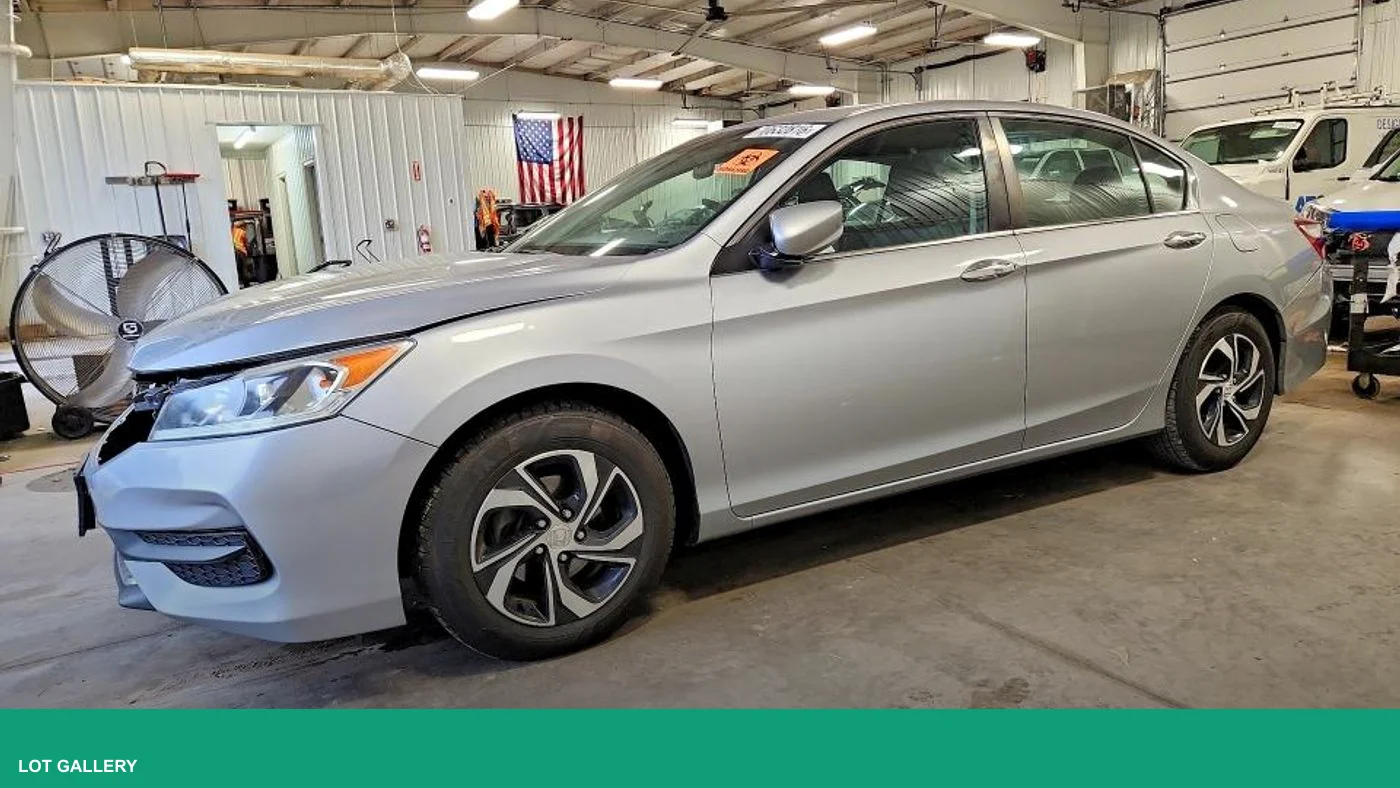
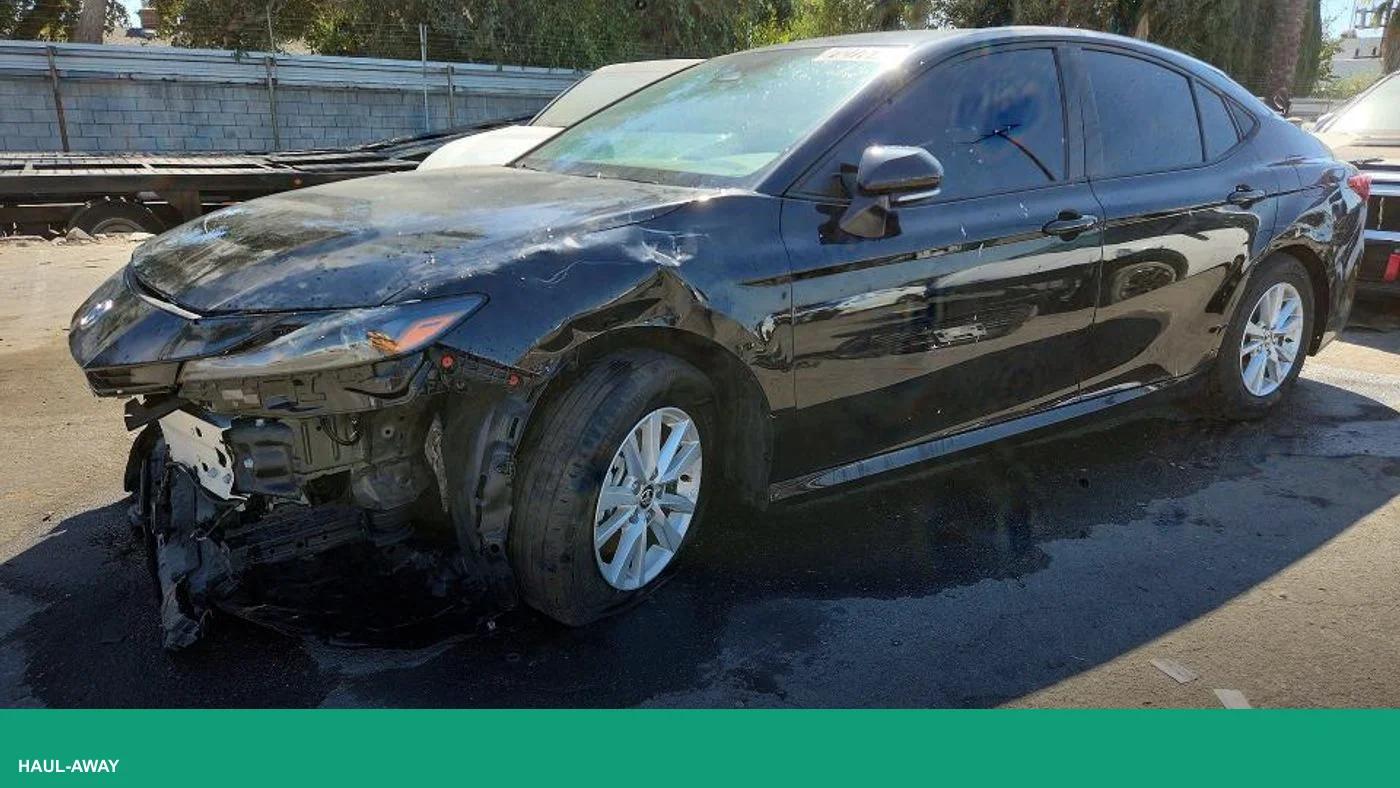
COPART LOT#73382146
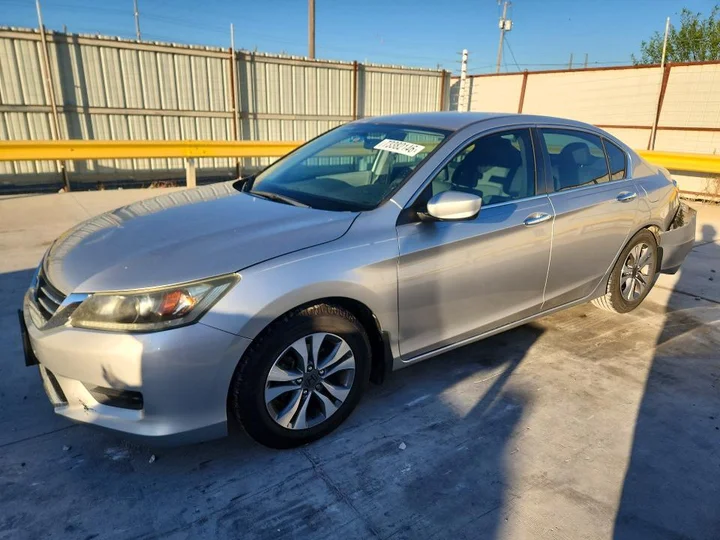
- Vehicle
- 2014 Honda Accord Lx
- Primary damage
- Front end
- Title / sale doc
- Salvage
- Yard
- Haslet, TX
Need a clear path into Copart before you risk a deposit? This overview walks membership, lot research, live bids, fees, and yard pickup so you can buy with a plan.
Independent overview of the Copart auction platform. Not affiliated with Copart, Inc.
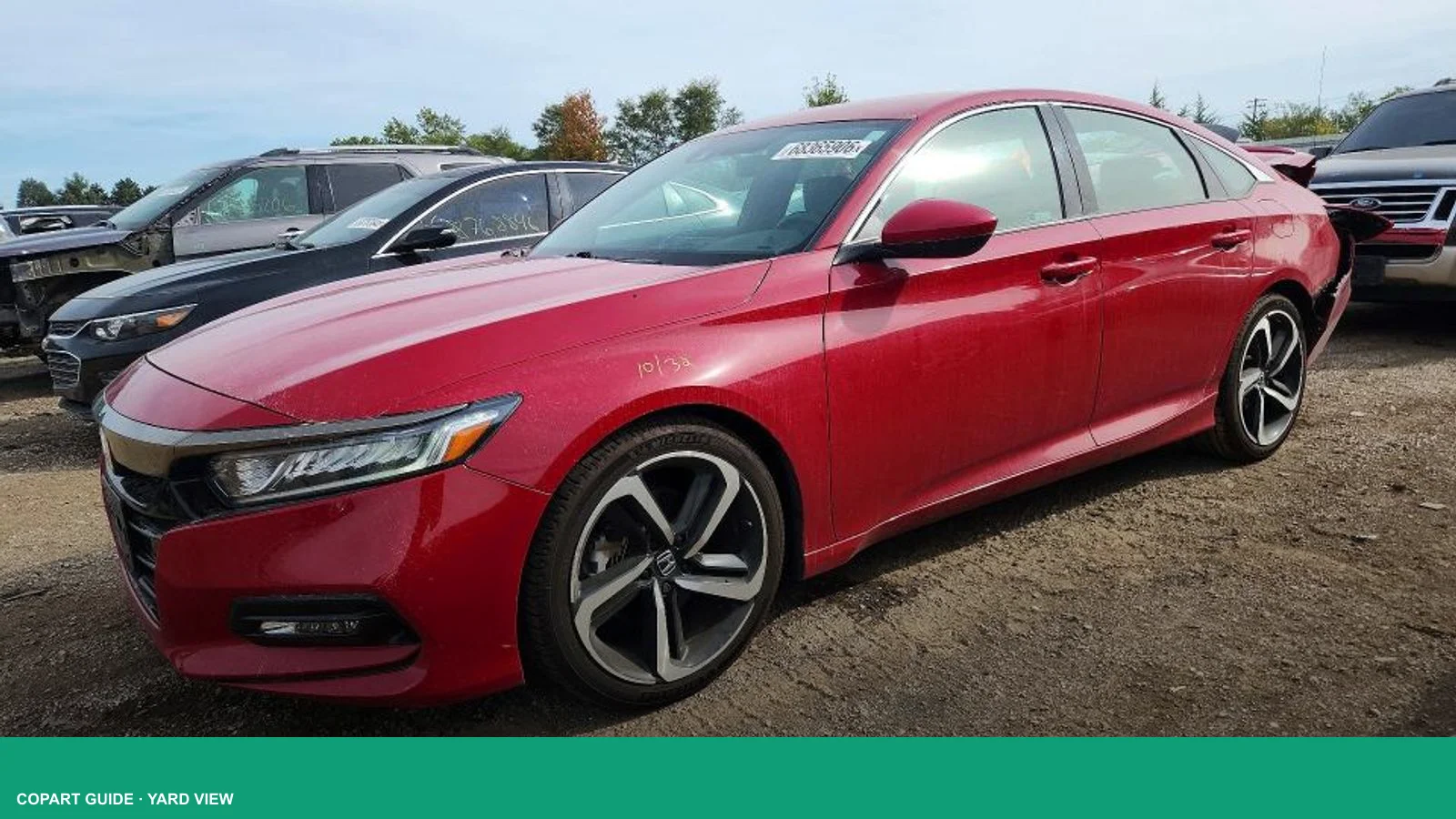
How it works
Open the Copart marketplace with one job: turn a salvage listing into a landed-cost decision. Membership unlocks bidding. Lot pages show photos, title status, damage codes, and yard location.
Use this auction guide for Copart as a sequence: verify member tier, shortlist lots, write a max, then schedule transport. Skip a step and storage clocks punish you.
Dealers chase volume. Rebuild shops chase structure notes. Individuals chase one project. The same inventory pool serves each path when you price risk first.
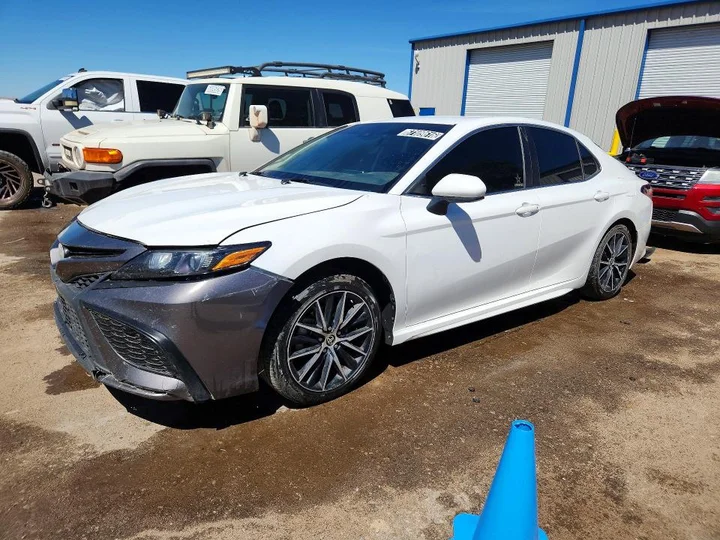
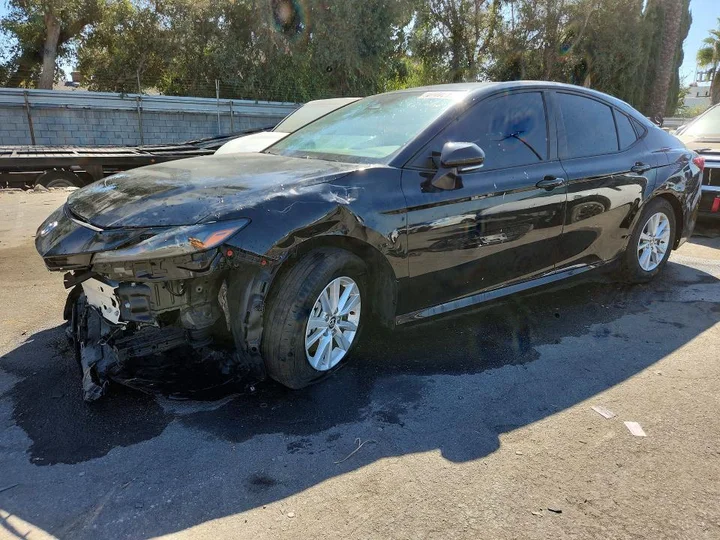
Interesting lots · refreshed hourly
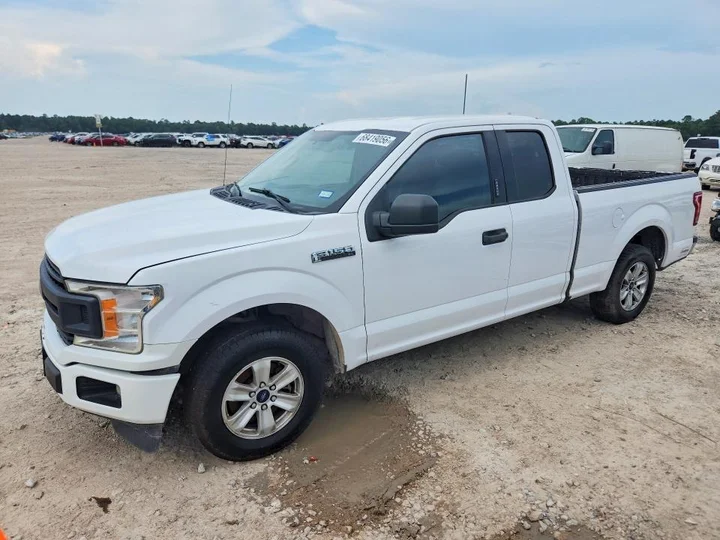
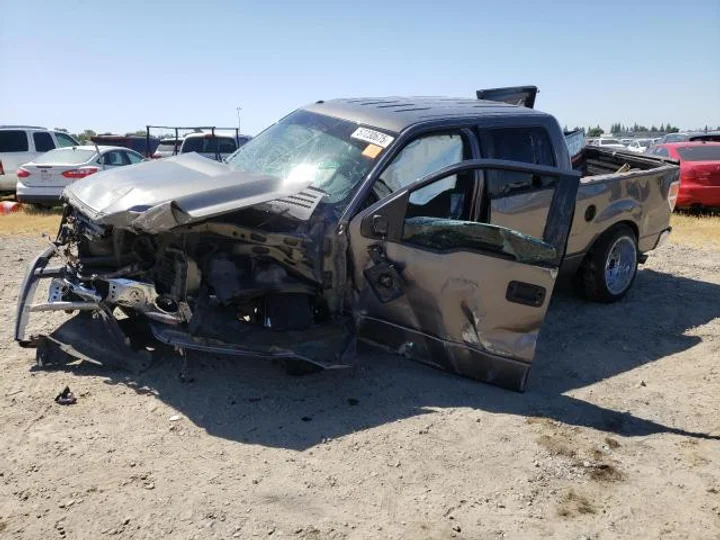
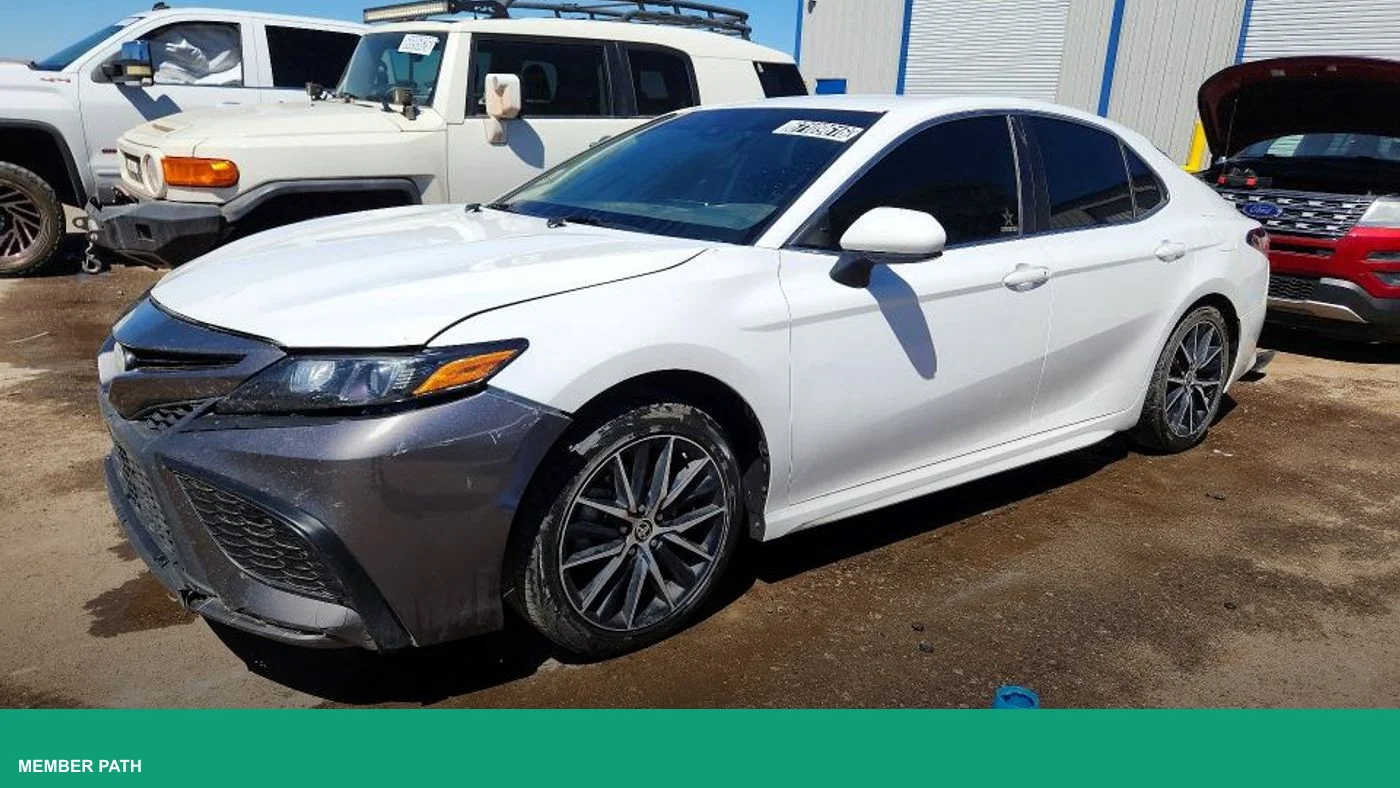
Related reads around this Copart auction guide: Copart USA yard checks, salvage title notes, and live Copart lot galleries before you set a max bid.
Last Copart inventory sync:

Channels
Desktop wins for multi-lot research. The Copart app catches ending sales. Yard visits confirm damage cameras flatten.
Problems
Save lot numbers and timestamps. Support resolves tickets faster with evidence.
No-risk entry
Browse public inventory first. Study galleries, title brands, and sale formats. Build a shortlist of [3–7] comparable lots and pull clean retail comps.
Subtract repair hours, paint, buyer fees, and a transport quote of [$...]. If the math needs perfect luck, skip the sale.
Create an account, choose the membership that matches your license status, fund required deposits, and enter live rooms only with a written maximum per lot.
After joining
Registration opens the gate. Bidding spends judgment. Pickup proves logistics. Clear all three on Copart before you scale volume.
Keep a living memo for each project: bid max, fee estimate of [$...], transport quote, parts list, target value. Update it when new lot photos appear.
Operating depth
Update fee assumptions every sale week. Tier changes rewrite break-even. Treat published numbers as placeholders until you confirm the live Copart rate card for your membership.
Log wins and misses the same way: intended max, final hammer, fee stack, transport, surprises after the gate. Patterns beat folklore when you revisit this auction guide for Copart after [10] closings.
Teach partners one vocabulary. Shared definitions for salvage brands and damage codes stop emotional overbids inside the same account.
Protect working capital with monthly ceilings for deposits, unpaid wins, and parts float. A trophy click you cannot fund on time becomes storage pain, not a bargain.
When inventory thins in your niche, raise selectivity instead of ego. Forced purchases on Copart rarely outperform patience with a written cap and a clean transporter plan.
Re-read lot announcements late. Supplemental notes about airbags, catalytic converters, or flood exposure rewrite contingency lines instantly — reset the dossier instead of defending an old number.
Keep official help links and yard contacts in the same note file as your shortlist. Speed during friction is part of the buyer's edge on this platform.
Photograph the vehicle at pickup for your records. Condition disputes lean on evidence, not memory, when a Copart release has already been issued.
Entities that matter
Write purchase memos with the terms that actually move outcomes: VIN decode, odometer brand, run-and-drive flag, seller type, gate pass, storage calendar, transporter network, title brand, keys status, and primary damage code.
Those entities belong in every shortlist note before you raise a paddle. A gallery without this packet is entertainment. A gallery with this packet is a decision tool on the Copart platform.
Revisit the same fields after you win. Pickup photos, release passes, and fee invoices close the loop so the next sale starts smarter than the last.
Export buyers add bill of lading and customs broker timing. Domestic rebuilders add state inspection queues for rebuilt titles. Sequence paperwork before paint whenever storage clocks are live.
Keep screenshots of lot pages dated. When support asks what failed, exact lot numbers and timestamps close tickets faster than vague descriptions of “the site glitched.”
Budget transport as a first-class line, not an afterthought. A bargain unit three states away can lose its edge after fuel, labor hours, and layover fees — local comps sometimes win on landed cost even with a higher hammer.
Fees and title reality
Hammer price is the loud number. The quiet numbers decide profit: buyer fee, internet fee, gate fee, documentation, storage from day [3], loading, and transport. On a cheap lot those add-ons can approach [35]% of the price.
A salvage certificate is not a clean title. Some states route paperwork through the seller, some through the auction, and a duplicate can add [3-6] weeks before the car is legal to register.
Photos do not show a bent subframe or a flooded harness. The lot is sold as-is, where-is, with no cooling-off period. Budget inspection time or discount aggressively for photo-only risk.
Free storage runs for a few days, then daily charges start. Transport booked late costs more than transport booked early. Sequence title clerk, transporter, and shop so a car is not renting a stall while nothing else moves.
Guest browsing shows listings, photos, condition reports, and past sale results. Follow a whole lane for a week before you fund a deposit. Sale-result history answers what a comparable lot actually fetched last month.
Membership itself is often a refundable hold rather than a sunk fee. Combine guest browsing with one careful account and the trial costs attention, not capital you cannot recover.
Exporters and rebuilders often hold a direct account and a broker path at once, then route each lot to whichever invoice is cheaper that week. Control versus commission is a real trade-off.
Keep the release pass, bill of sale, damage photos, and transport receipt together. Every later dispute - insurance, resale, customs - leans on that folder.
FAQ
It depends on membership tier, lot rules, and state title law. Confirm eligibility on the lot page before sale day.
Plan for buyer fees, possible gate fees, storage after free days, and transport. Confirm live tables for your tier — treat published numbers as placeholders.
Many listings are visible publicly. Bidding and some tools need an active member profile.
Fund inside the stated window, then arrange self-pickup or a licensed transporter before storage charges start.
Recover the account, verify membership and payment method, then contact support with lot number and timestamp.
Yes when you treat each lot as a rebuild project, read title brands carefully, and keep landed cost under clean retail comps.
Yes for high-value or structural risk. Photos help; yards confirm what cameras flatten.
After the win — seller, auction, and state queues can add weeks. Budget that wait before you need the car.
Disclaimer. Copart Guide is an independent informational overview of the Copart auction platform. Not affiliated with, endorsed by, or operated by Copart, Inc. Inventory, membership rules, fees, title brands, and local regulations change. Verify every detail on official Copart sources before you register, bid, pay, or arrange transport. Figures in brackets are placeholders, not promises. No profit, approval, or repair timeline is guaranteed.